The routine monitoring your keepers don't have time for.
ZooIQ takes on the recurring environmental, health and welfare monitoring your team doesn't have the hours for — freeing up keeper time for daily husbandry, visitor engagement and supervising students and volunteers, while building a clear, evidenced record of your collection's care.
Evidence-based monitoring. Preventative welfare management. Better animal care.
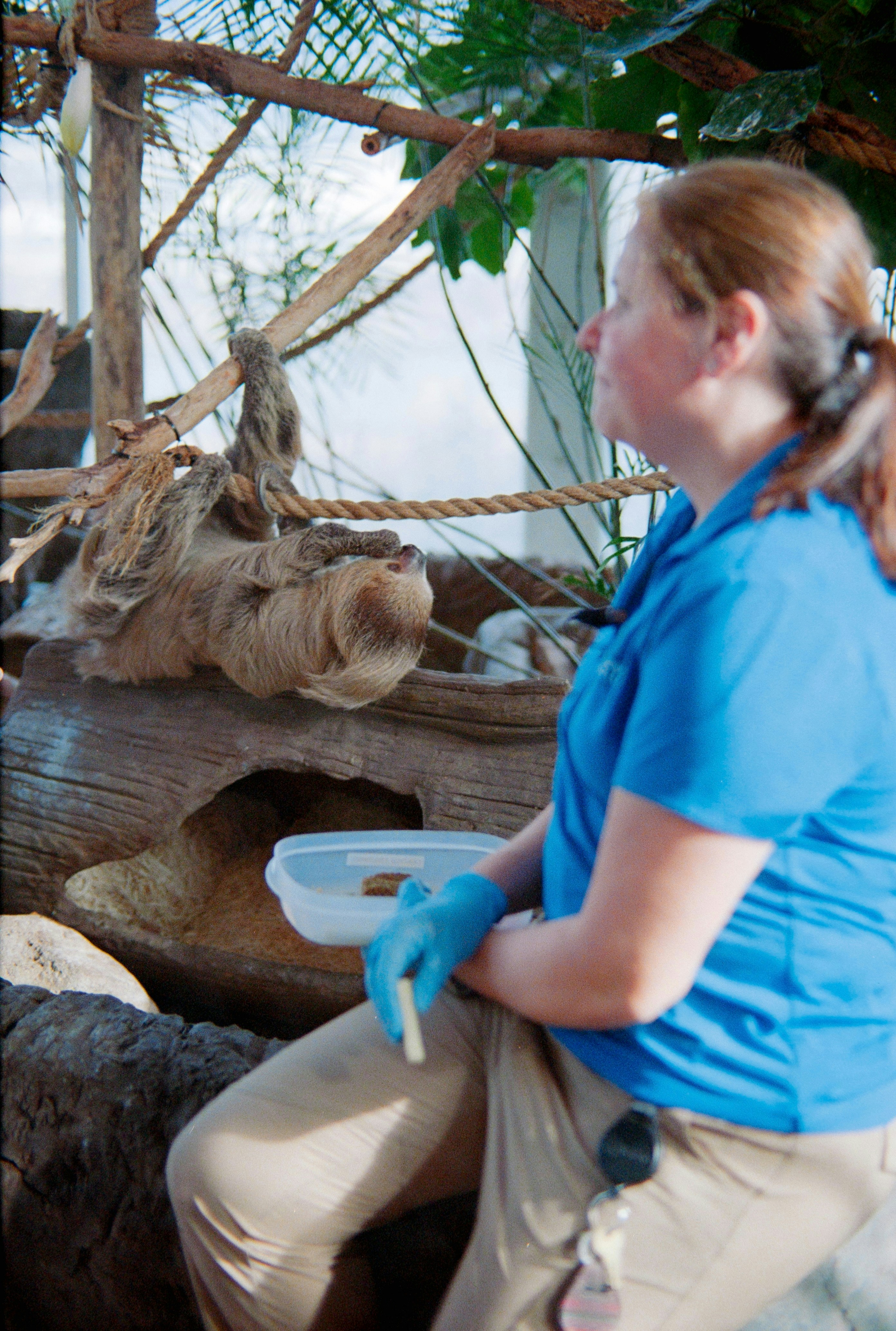
Most small collections know exactly what needs doing. They just don't have the hours in the week to consistently collect, analyse and act on husbandry and welfare data — on top of everything else that keeps a collection running.
ZooIQ doesn't replace your team's expertise. We carry out the routine monitoring that keeps slipping down the priority list — temperature and UV audits, water quality checks, faecal screening, welfare assessments and record reviews — and hand it back as a concise report with trend graphs and practical recommendations.
The result: reliable data, stronger evidence for inspectors, and keeper time back where it belongs.
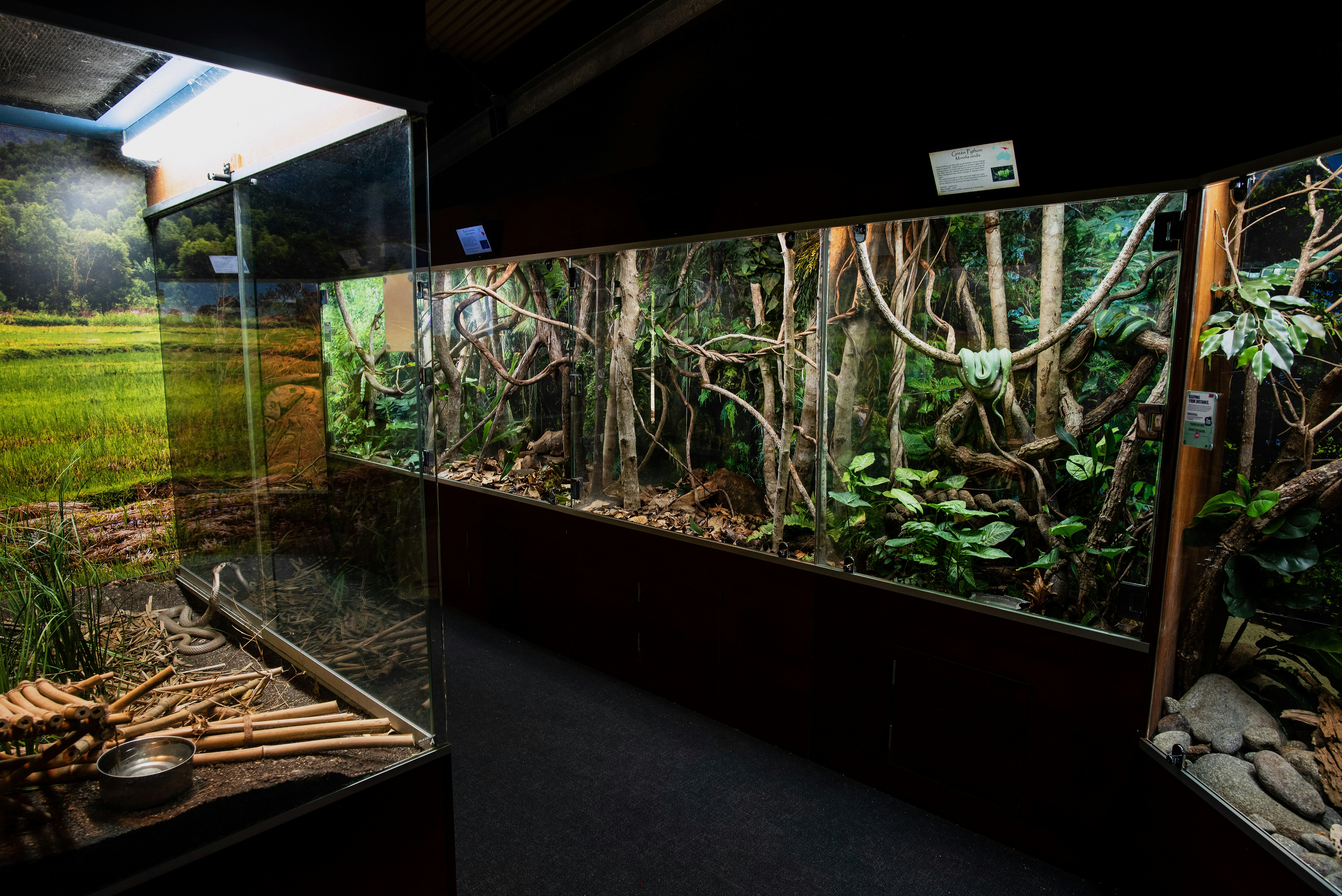
Four areas, one visit.
Every subscription draws from the same four areas of monitoring — scaled up or down depending on your tier and your collection's taxa.
Environmental Monitoring
Temperature, UV, humidity and lighting audits, mapped against species-specific requirements and Ferguson Zones.
- Thermal gradient & heat mapping
- UV Index mapping & bulb testing
- Humidity & microclimate logging
Health & Welfare Monitoring
The routine screening and observation work that keepers rarely have spare hours for — done consistently, on schedule.
- Faecal screening & parasite surveillance
- Body condition & weight tracking
- Behaviour & welfare assessments
Compliance & Inspection Readiness
Built around the 2027 Standards, so you're audit-ready year-round instead of scrambling before an inspection.
- Standards of Modern Zoo Practice audits
- Biosecurity & quarantine review
- Evidence collection & corrective actions
Reporting & Record Analysis
Everyone's record-keeping, turned into something readable — trends, risks and priorities in one document.
- ZIMS & husbandry record review
- Mortality & breeding trend analysis
- Annual collection health reviews
One visit, start to finish.
We come to you
Every month, we visit your collection at an agreed time that fits around your team.
We do the monitoring
Temperature and UV mapping, humidity and water quality checks, faecal sampling, weighing, welfare assessments and record review.
You get the evidence
A concise report with trend graphs, flagged risks and practical recommendations — ready to hand to an inspector if needed.
Curious what this actually looks like?
Rather than just take our word for it, take a look at an anonymised sample of a real monthly report, or read through how a three-month pilot programme played out from start to finish.
The Standards of Modern Zoo Practice are changing.
The updated Standards for Great Britain replace the 2012 version, placing far more weight on objective monitoring, documented evidence and proactive management — not just having the right facilities.
- Routine monitoring of temperature, humidity, lighting and water quality, with documented evidence and action when readings fall outside expected ranges
- Evidence-based welfare assessments that actively inform management decisions
- Behavioural monitoring to identify abnormal behaviour and confirm animals can express natural behaviours
- Planned, reviewed and documented environmental enrichment — not ad hoc
- Fuller record-keeping across husbandry, health, breeding, deaths and environmental monitoring
- Risk-based, proactive health surveillance rather than reactive treatment alone
One annual package, paid your way.
Every subscription is tailored to your collection's size, taxa and site — the ranges below are a starting point, payable annually or spread monthly.
Monthly visit
- Monthly on-site visit
- Core environmental monitoring
- Faecal screening
- Monthly written report
Monthly visit
- Monthly on-site visit
- Full environmental monitoring
- Welfare assessment & faecal sampling
- Annual compliance audit
- Monthly report with trend graphs
- Staff training & unlimited advice
Prices shown are a typical starting range for illustration — every quote is tailored after an initial site visit or call.
A few things collections ask first.
Will ZooIQ replace our keepers or vet?
How long does a visit take?
Who owns the data and reports?
We're not thinking about the 2027 Standards yet — is it too early?
Can we switch tiers later?
What species do you cover?
How do we get started?
Founded by a zoologist, built for keeper teams.
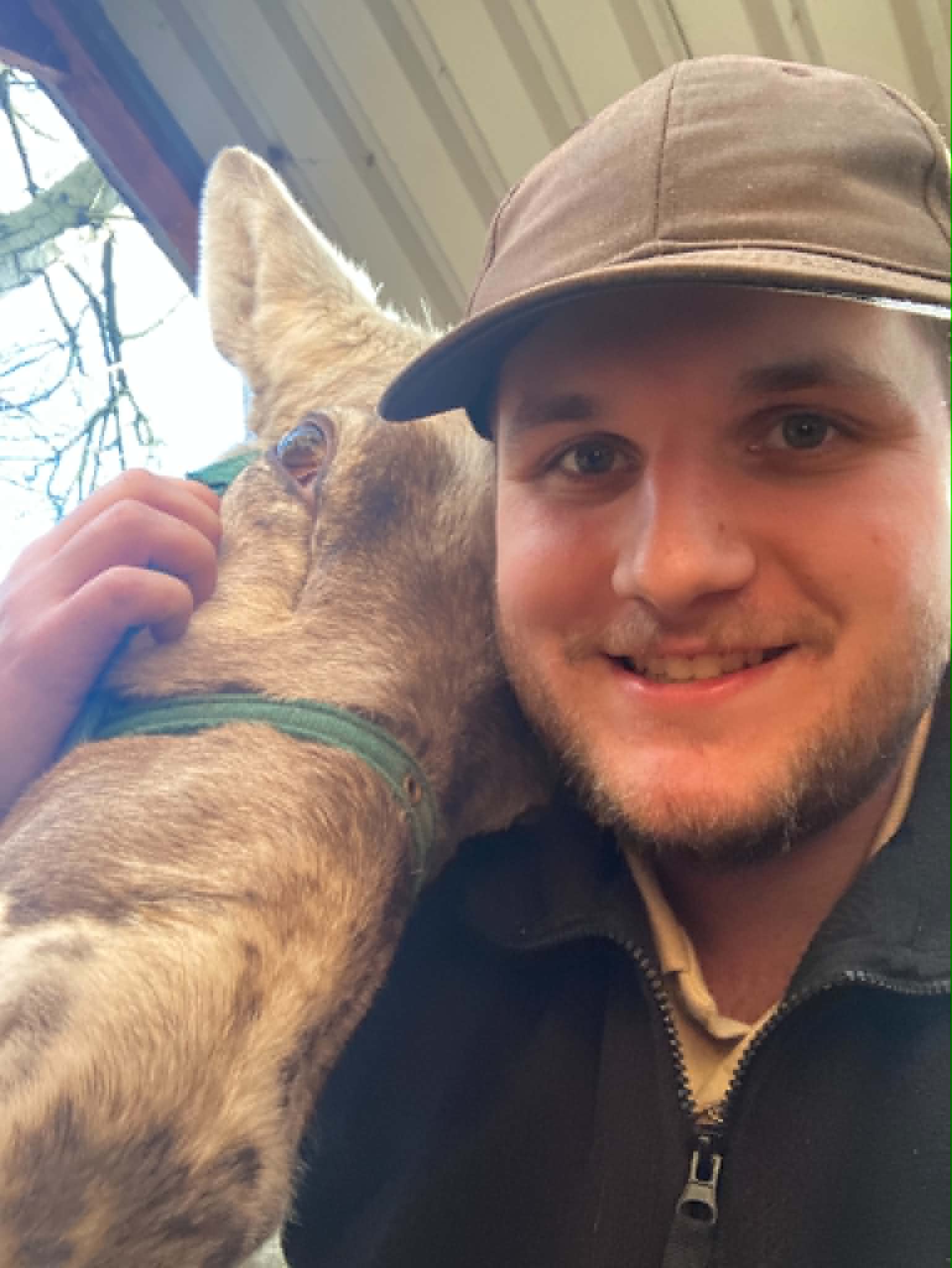
ZooIQ was founded by zoologist Max to help animal collections bridge the gap between day-to-day husbandry and the increasing demands for evidence-based monitoring, record-keeping and welfare assessment.
With a background spanning zoos, higher education, wildlife rehabilitation and conservation, Max combines practical keeper experience with scientific training to provide independent environmental, health and welfare monitoring that supports collection teams rather than replacing them. Every visit is designed to generate clear, practical evidence that improves animal care while helping collections demonstrate compliance with the Standards of Modern Zoo Practice.
ZooIQ exists because most collections already know what excellent husbandry looks like — they simply don't always have the time to consistently collect, analyse and document the data that proves it. By taking on that routine monitoring, ZooIQ allows keepers to spend more time caring for animals, while giving managers the evidence they need for informed decision-making and inspections.
Qualifications & experience
- MSc Animal Welfare & Conservation
- BSc Zoology
- Animal Collection Instructor, Hartpury University & College
- Former experience with the Institute of Zoology (IoZ) at ZSL London Zoo, and Tiggywinkles Wildlife Hospital
- Field research experience in the UK, Peru and South Africa
Professional
- Public liability insurance
- Professional indemnity insurance
- Equipment insurance
- Risk assessments & method statements provided where required
- Full UK driving licence
Taxa experience
ZooIQ supports collections across the full range of taxa — from mammals and birds to reptiles, amphibians, fish and invertebrates — with particular depth in reptiles and amphibians, and a strong interest in evidence-based husbandry, environmental monitoring and conservation breeding programmes.
Collections holding roughly 20–300 animals, typically staffed by 2–6 keepers, working toward — or already living under — the 2027 Standards.
If that's you, we'd like to hear from you before you're deep in inspection prep, not the week before.